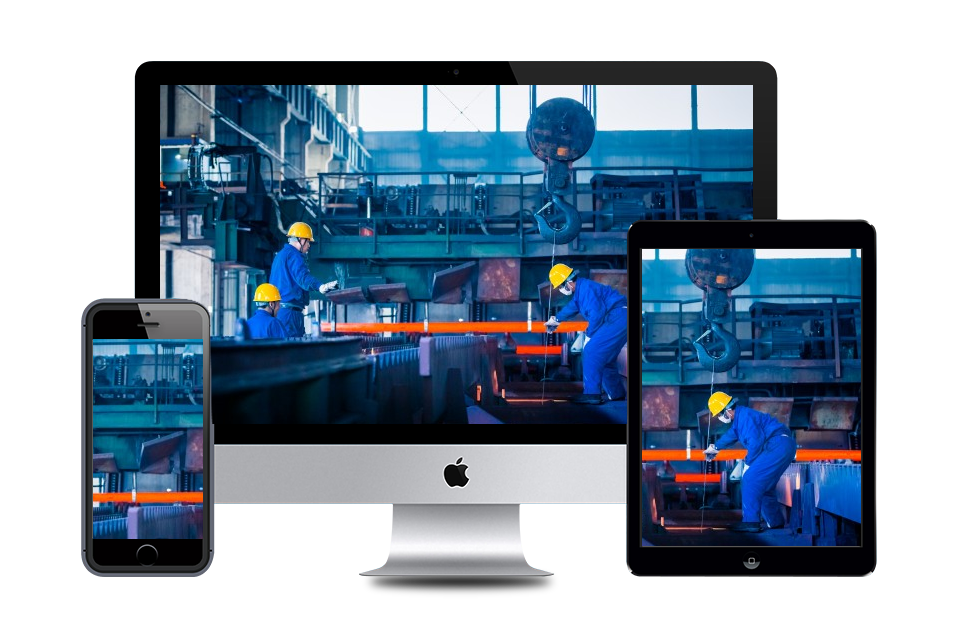
Manufacturing, a branch of industry, is the application of tools and a processing medium to the transformation of raw materials into finished ...
Production or extraction of substances in the natural state. This includes the establishments engaged in the mechanical, physical, or chemical transformation of materials, substances, or components into new products. ... The interesting feature is a new approach to manufacturing. (Function) Production of goods primarily by the application of labor and capital to raw materials and other intermediate inputs, in contrast to agriculture, mining, forestry, fishing, and services. The process of making a raw material into a finished product; especially in large quantities. This industry group includes (1) durable goods such as lumber and wood, furniture and fixtures, primary metal, fabricated metal, machinery, electric and electronic equipment, transportation equipment, motor vehicles and equipment, stone, clay, and glass, and instruments and (2) non durable goods ... The FTZ Board has defined manufacturing as any process that results in a change in Customs classification of the merchandise, and therefore, requires prior clearance from the Board pursuant to the manufacturing conditions in specific foreign-trade zone grants. An optimal material requirement planning system for a manufacturing process in which there is little or no manufacturing material inventory on hand at the manufacturing site and little or no incoming inspection. Computer-controlled processes in the fabrication/assembly industries; automatic materials handling; automatic storage and retrieval systems. The focus of AMTs is on the actual manufacturing and physical transformation of the products. Includes establishments engaged in the mechanical or chemical transformation of materials or substances into new products. These establishments are usually described as plants, factories, or mills and characteristically use power-driven machines and materials handling equipment. ... US Bureau of Customs and Border Protection determines what constitutes manufacturing on a case-by-case basis, distinguishing it from other operations such as manipulation, processing, production and blending. ... Making or processing a product with the use of industrial machines. Mill A building or group of buildings equipped with machinery for processing raw material into a finished or industrial product &##8212; for example, a textile, lumber, or steel mill. comprised of courses and/or programs related to planning, managing and performing the processing of materials into intermediate or final products and related professional and technical support activities such as production planning and control, maintenance and manufacturing/process engineering. On the shop-floor of industrial plants Datalogic devices identify objects being manufactured, capture information from the process and transmit it to the company IT system, to make real-time control of time and processes possible. ... Rhonda Williams Establishments engaged in the mechanical or chemical transformation of materials or substances into new products. These products may be "finished," that is, ready for utilization or consumption, or it may be "semi-finished" to become a raw material for further manufacturing. ... The making of goods/products, usually involving the use of machinery. "Manufacturing" means the production of tangible personal property intended to be sold or leased ultimately for final use or consumption or the production of tangible personal property pursuant to a contract with the Federal Government or any agency thereof.[2003, c. 688, Pt. D, §2 (new).] Key elements in Japan's economic success, including urban workshops and other subcontractors, high-quality technology, and a swift response to changing economic circumstances. The total process of design, application, and production. This involves the making of goods by hand or by machinery, often on a large scale, and with a division of labor.
|